Specialist support,built around you.

Our Pathways.
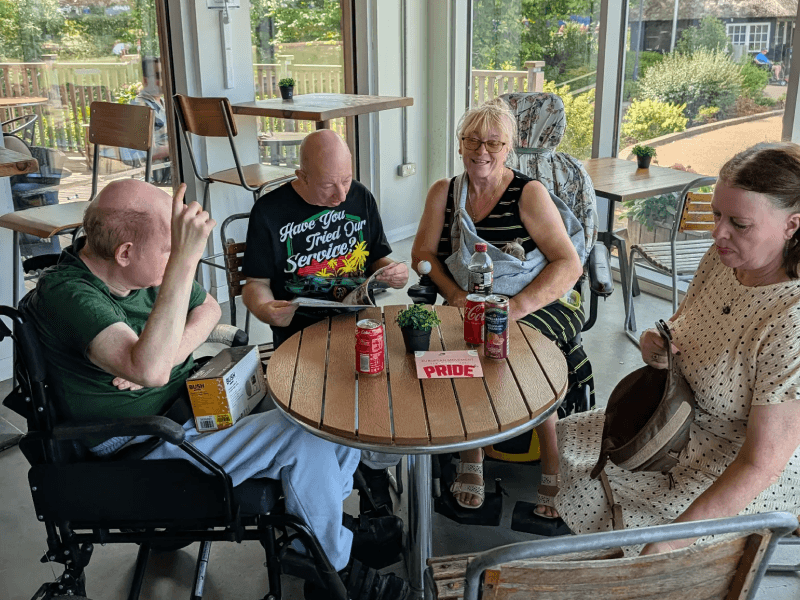
Supported Living & Residential
We offer both, because no single setting is right for everyone, and we'd rather build the right home than force someone into whichever one we happen to have. Our supported living homes give people their own front door, their own tenancy, and control over their own life, with support built in around them rather than support they're living inside of. For people who need a higher level of clinical oversight or a more structured environment, particularly in the early stages of a transition from hospital, our residential provision offers that same individualised, single-occupancy approach with a deeper layer of support close at hand. Neither is a fallback for the other. They're two different starting points for the same outcome: a real home, and a real life.

Complex Care & Transforming Care
We exist for the people the system finds hardest to place. Adults with a learning disability and/or autism, behaviours that challenge, sometimes a mental health diagnosis layered on top, and a history of provision that didn't work. We don't see complexity as a reason for institutional care. We see it as a reason to design something better. Where a placement has broken down before, or a hospital stay has run longer than anyone wanted, we build forward from there. Not around it, not despite it, forward.
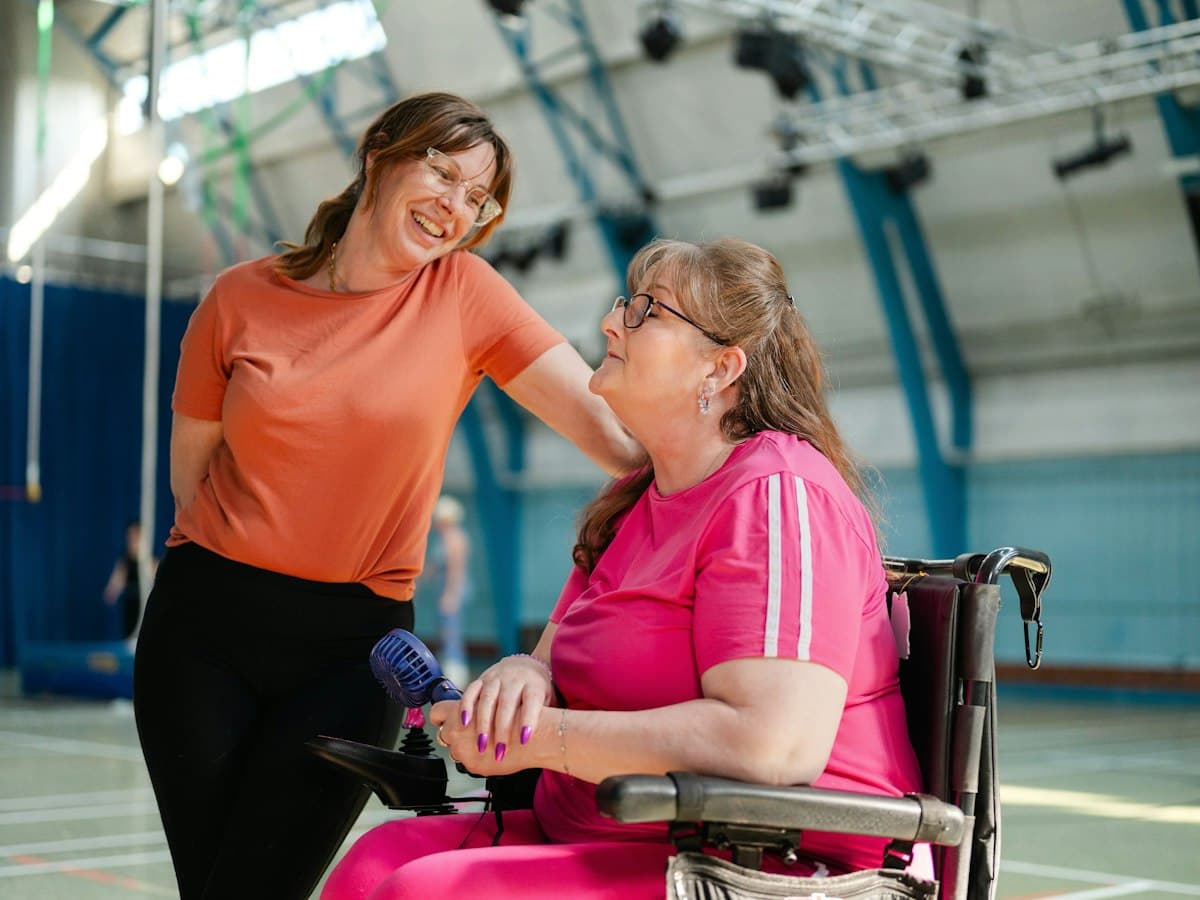
Hospital Discharge & Transition
Discharge doesn't start on moving day. It starts weeks before, with trust. We work with the individual, their clinical team, and their family long before anyone crosses the threshold, because a rushed transition is how placements fail and how people end up back where they started. We take the time most services skip, so independence is something someone grows into, not something they're thrown into and left to sink or swim.
Who We Support.
Learning Disabilities
Communication looks different for everyone we support, and so does independence. Some of the people we work with have profound, multiple learning disabilities that make expressing a need, a preference, or a boundary genuinely hard. Our job is to close that gap, not to fill it with our own assumptions about what someone wants. That distinction is everything.
Autism Spectrum Conditions
Sensory environment isn't a detail, it's the foundation everything else is built on. We shape every home around how a person experiences the world, not how we'd prefer them to experience it. Staff adapt their communication and pace to the individual, every time. Asking an autistic person to adapt to us first was never the right way round.
Behaviours that Challenge
Behaviour is communication, not a problem to be extinguished. When someone we support is distressed, we ask what they're telling us before we ask how to stop it. Every person has a functional assessment and a behaviour support plan built with them, their family, and their clinical team, aimed squarely at one thing: a better life, with less restriction, not more control.
Our Clinical Approach
Positive Behaviour Support.
We train our staff to understand the function behind a behaviour before they ever respond to it. That's the difference between managing someone and actually helping them. Every plan starts with a proper functional assessment, not a checklist: observing the person directly, talking to the people who know them best, and mapping what actually happened in the hour before things escalated, rather than assuming the trigger was whatever the last file said it was.
From there we build forward, not reactively. Staff are trained in de-escalation and proactive strategies first, physical intervention as a last resort rather than a default response, and every plan is reviewed on a fixed schedule with the person, their family and their clinical team, not left to gather dust until the next crisis forces a rewrite. Where restrictive practice is still occasionally needed, it's logged and treated as a signal the plan needs adjusting, not as an accepted part of someone's routine.
Done properly, it means less crisis, not more control. We measure it the same way: fewer incidents, less restriction, and a person who's doing more with their week than the last placement ever thought possible.

For commissioners and referrers.
If you're a social worker, brokerage officer, or commissioner looking to place someone with complex needs, we make referrals straightforward.